I worked on Wall Street during 9/11. In the years since, I’ve used historical tragedies to explain systems engineering, risk management, and operational discipline.
Some of those lessons came from experiences I lived through. Others came from studying failures decades after they happened. Every one of them made me a better engineer, a better team member, and a better communicator.
Over the years, I’ve also learned there’s a difference between studying a tragedy and borrowing one.
When a Story Becomes a Lesson
Stories are powerful teaching tools. They give context to abstract ideas and make lessons memorable in ways that diagrams and checklists rarely can. That’s why we use them – and why choosing the right story matters as just as much as the lesson itself.
When an event is still unfolding, when families are still grieving or a community hasn’t had time to process what happened, your audience stops thinking about your message and starts thinking about your judgement. This doesn’t mean that tragedy should never be used to teach – far from it.
Some of the most important engineering, safety, and operational practices we have today exist because someone took the time to understand why a disaster happened, and tried to ensure it never happens the same way again.
One of the clearest examples is the 1979 anthrax release in Sverdlovsk.
A Failure of Process, Not People
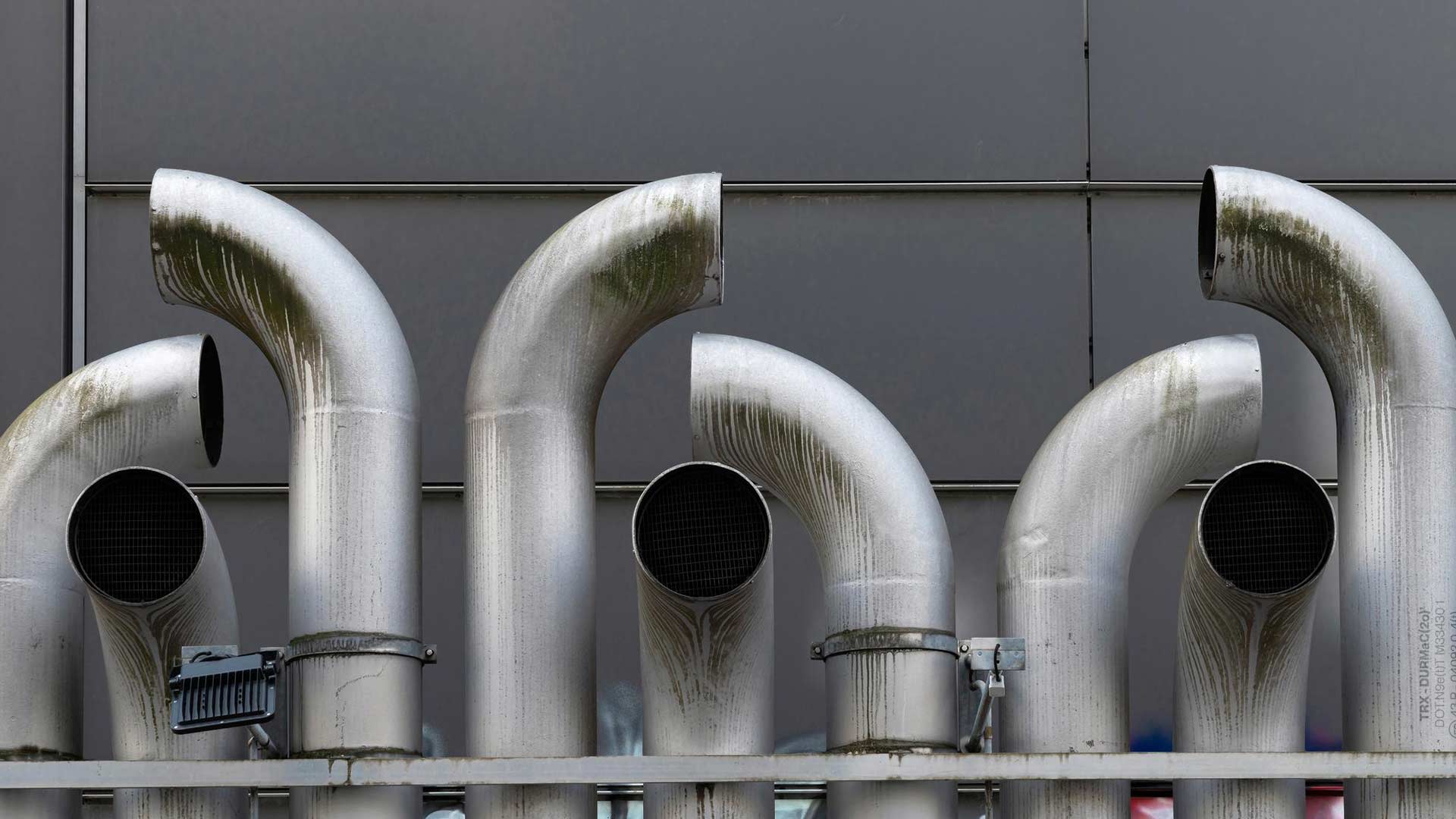
During routine maintenance at a military biological facility, a technician removed a critical air filter protecting an exhaust system. A note was left indicating a replacement filter needed to be installed before the system was restarted.
The note never reached the next shift. The ventilation system was powered back on, and anthrax spores were released into the atmosphere. Wind carried the spores to a nearby community, leading to the largest confirmed outbreak of inhalation anthrax in history.
A story like this isn’t measured by its shock value; its value comes from presenting a pattern immediately recognizable by every engineer, technician or IT professional.
One maintenance task, one missed handoff, one undocumented assumption, and one critical system returned to service. No single action caused the disaster – the safeguards failed together.
Whether replacing hardware in a rack, documenting a firewall change, rotating credentials or performing maintenance on client infrastructure, the lesson is the same:
- Critical work deserves documented processes
- Documented process deserves verification
- Verification deserves accountability
That’s an engineering lesson.
Don’t Teach from Headlines
The tragedy isn’t there to command attention - it’s there because the lesson cannot be separated from the event that taught it.
Before using a tragedy to illustrate a business or technical point, I think it’s worth asking two questions:
- Am I helping people understand something they can genuinely learn from?
- Or am I borrowing someone else’s tragedy because it’s the loudest story in today’s headlines?
Those aren’t the same thing. As communicators, marketers, consultants, engineers, and leaders, we all have a responsibility to choose our examples with the same care we choose our words.
Don’t teach from headlines - teach from history.
Contents
Tags
Recent Posts
-
observation
 9/11: 25 Years Later
-
self-hosting
 Bumping Integrated GPU Memory Limits
-
self-hosting
 Containerized ComfyUI with ROCm 10 on the Minisforum N5 Pro Running TrueNAS
-
observation
 Under Our Own Power
-
infrastructure
 What Does “Zero Trust” Actually Mean?
-
What Happens When a CVE Becomes a KEV?
-
The Language We Inherit From Machines
-
DNS Decisions: Recursive, Authoritative, and Forwarding Explained
-
The Real Watermark is You
-
I Like My Web Servers Basic AF