Every system has a purpose. If changing the system doesn’t improve that purpose, you’ve probably optimized the wrong thing.
A lot of IT decision-making drifts from this idea without anyone noticing. It doesn’t surface in dramatic failures or obvious mistakes, but in the steady, socially acceptable churn of upgrades, migrations, rewrites, and “we should really move off this” conversations that never fully examine what’s being improved.
Change starts to feel like a goal in itself.
The irony is that most of us got into technology because we enjoy solving problems and somewhere along the way, many of us begin solving the wrong ones.
All the Cores…
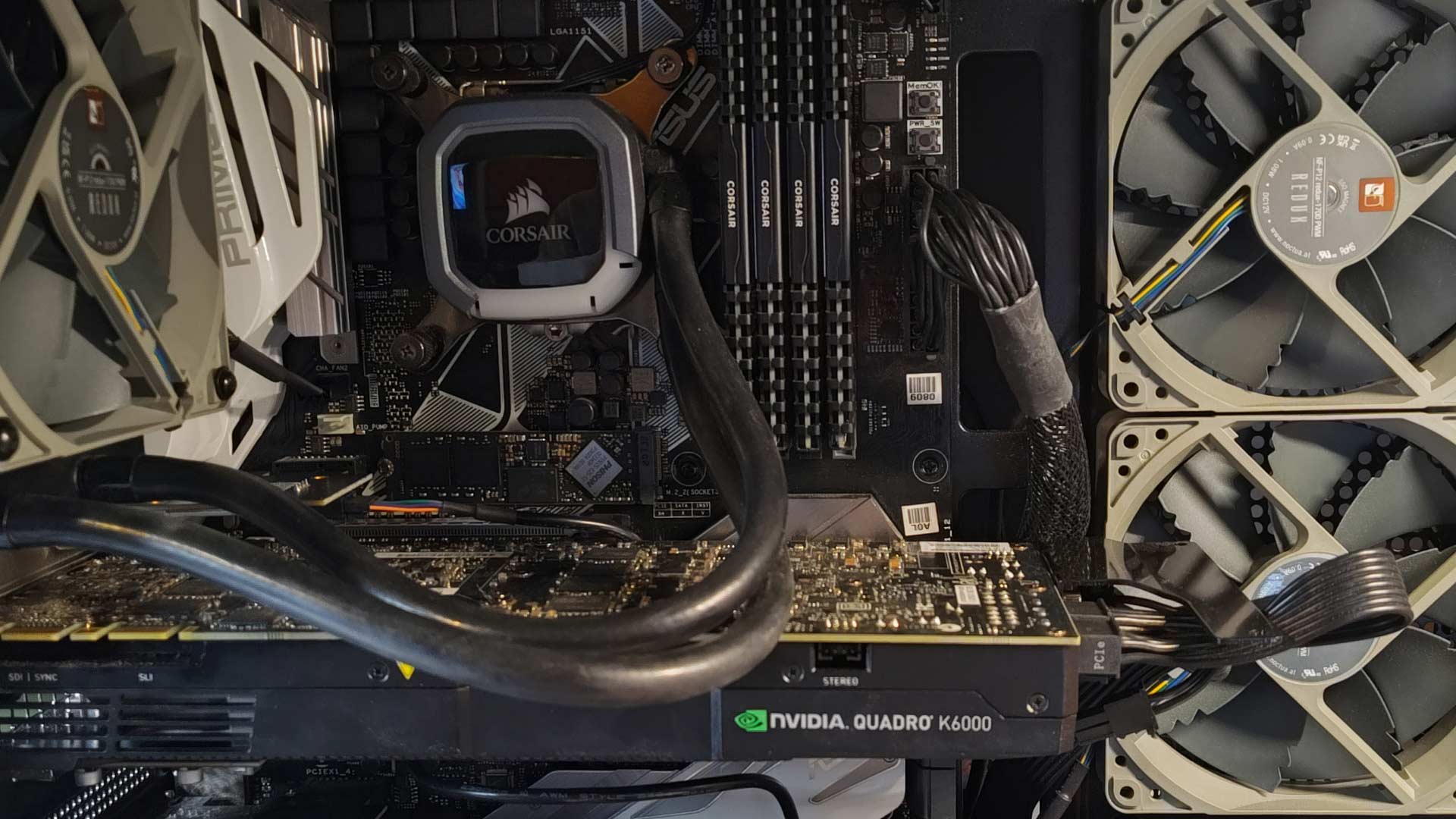
A friend recently showed me a new desktop build: modern Ryzen processor, high core count, fast storage, and all the trimmings. It’s a genuinely badass machine and objectively better than mine on paper in almost every meaningful benchmark category.
When I mentioned my daily driver is still an 8th-generation Intel i7, there was a pause that didn’t land as curiosity so much as disbelief.
“You’re still using that?”
Not rude. Just that familiar IT reflex.
Older hardware tends to imply incompatibility, limitations, or neglect. But the reality is much simpler: it runs everything I need without interruption. The system performs well, it’s reliable, and most importantly, I rarely think about it.
That’s probably the highest compliment I can give any piece of technology. Nothing about my daily outcomes improves with a replacement. I don’t finish projects faster, write better, or make better decisions. I’d simply own newer hardware.
My friends; reaction wasn’t so much the computer as it was the assumption behind the reaction:
- If it’s newer, it’s better.
- If it’s older, you’re behind.
- If you’re behind, you should be upgrading.
That’s a status model disguised as a technical one.
The Infinite Upgrade Loop
The same thing happens with software, only more frequently because the cost of switching appears much lower.
I’ve been using Docmost for documentation for well over a year now. It does what I need: stable, self-hosted, structured, predictable. It doesn’t demand attention. It doesn’t require me to relearn my workflow every few months. It quietly stores information in a way I trust.
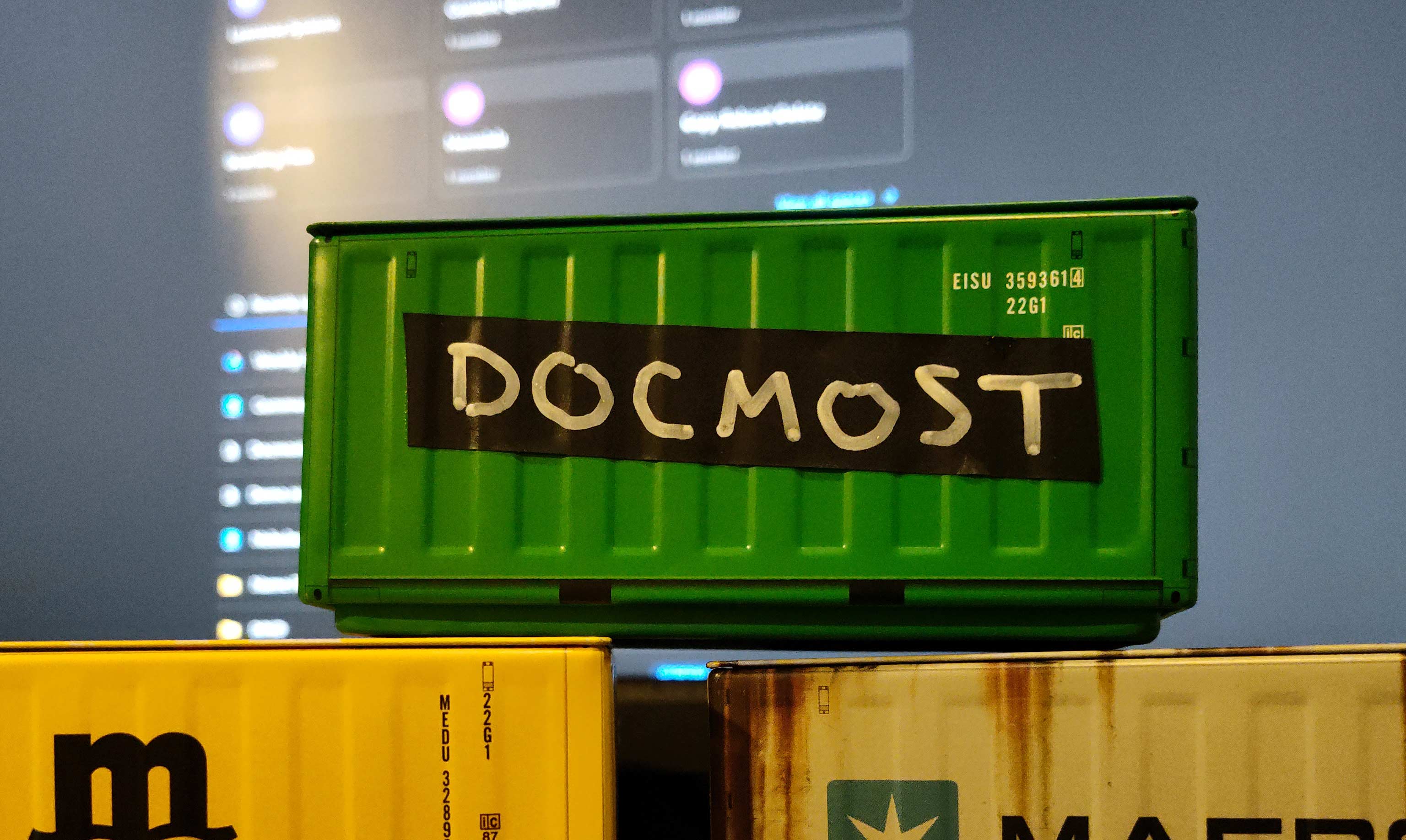
I run it as a container. Learn more at docmost.com
Could it do more? Absolutely. MCP integration would be nice. AI-assisted authoring is interesting. There are always features on the horizon that would make any tool “better” in theory – and I know several won’t make it to the community version as, well, Philip and his team have bills to pay. Meanwhile, I’ve watched friends move between two or three documentation systems during the same period and the cycle is almost predictable.
A new platform appears. Migration becomes a weekend project. The setup is exciting. The screenshots hit social media. The new workflow feels revolutionary and then real work resumes. A few months later, limitations begin to appear. Another platform gains momentum. The cycle starts over. After a year or two, the documentation hasn’t improved nearly as much as the tooling has changed - knowledge has simply been relocated.
Every migration carries an opportunity cost, and most of us only calculate the technical one.
Motion Isn’t Progress
The psychological trap is that change is visible while stability is almost invisible. A migration produces evidence of work – new dashboards, configuration, workflows, screenshots, and a sense of momentum. Stability produces none of that. It quietly continues fulfilling its purpose in the background.
In technical communities, visible activity is often mistaken for meaningful progress. We begin optimizing for motion because motion is easier to see than outcomes and that’s where many “improvements” quietly lose their justification.
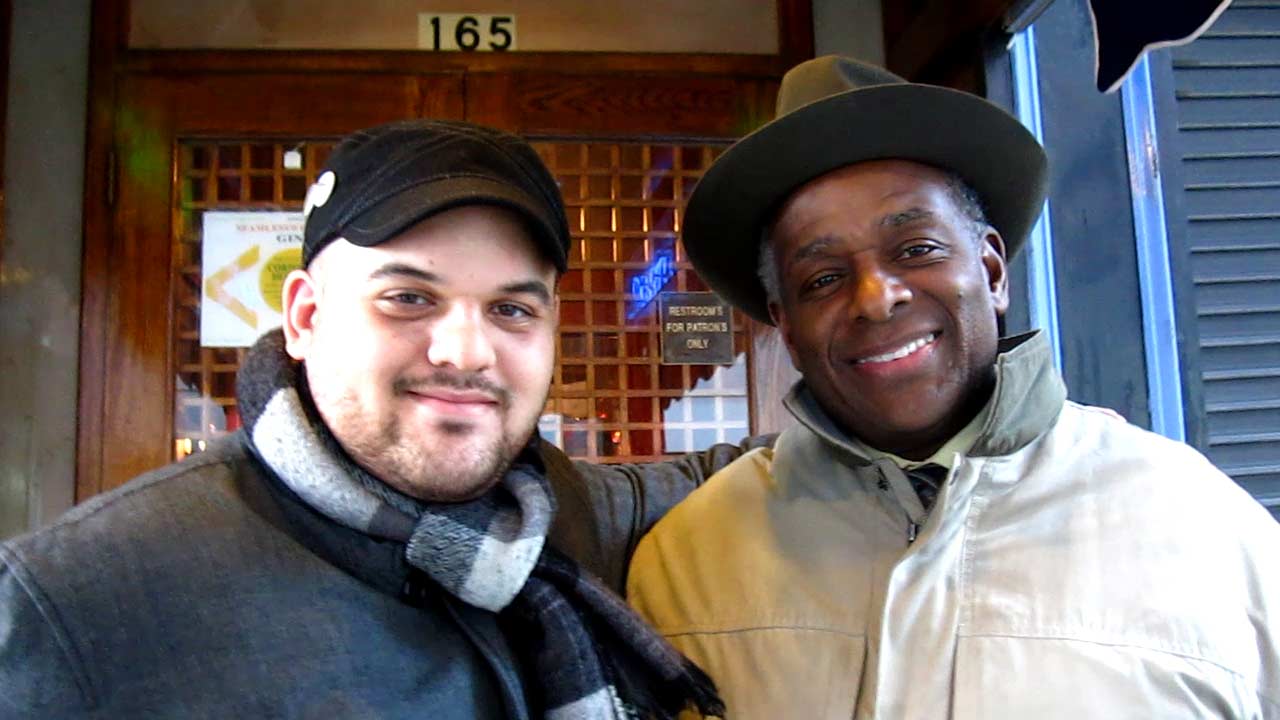
Gary
Years ago, I reported to a CFO named Gary Giscombe. Gary had worked at Revlon, Amnesty International, and IBM long before we met. The day he arrived at our organization, the COO introduced us, and we spent about fifteen minutes talking before either of us really knew what the other was about.
He asked about the network.
I explained that I tried to keep it lean. We had large technology companies donating hardware and software, but I wasn’t interested in deploying something simply because it was available. I preferred balancing commercial and open-source solutions based on how well they fit together and whether they genuinely solved a problem.
Gary listened for a while, smiled, and said:
“You sound like LL Cool J in Toys talking about string beans staying away from the meatloaf.”
I laughed and we grabbed lunch at a nearby Japanese restaurant. As the elevator doors closed on the way down, he casually mentioned one small detail:
“By the way… you’ll be reporting to me now.”
That restaurant became a weekly tradition; they even hosted my 25th birthday. Years later, during one of those lunches, Gary said something that never left me.
“Do the right thing. Make mistakes and learn from them. Just do something… and make sure it has purpose.”
At the time, I had been quietly looking for what came next. I started working at the organization when I was eighteen. The people around me had become mentors as much as coworkers. They noticed I was asking different questions, taking a greater interest in what existed outside our walls, and looking for new challenges.
Instead of trying to convince me to stay, they helped me leave well. The Director of Marketing helped with my résumé. Gary coached me through interviews. The rest of Business Services became a support system. Looking back, they weren’t helping me find another job, they were helping me discover my next purpose.
Ironically, around that same time I received a phone call from the CEO of Latina Magazine asking if I’d be interested in contract work to help modernize their infrastructure. I thanked him for thinking of me but explained I was looking for a full-time role. The next day, I received an offer to become an IT Director. No interview. No negotiation. Just a revised job description based on earlier conversations and an offer to build something new.
Gary visited my office during my second week. I showed him the building, the server rooms, and eventually we ended up at what became my new regular Japanese restaurant. Before he left, he looked around and simply said:
“This place fits you. You have purpose here.”
He was right. Years later I brought a coworker back to meet Gary over lunch. I went from working lone wolf to having a team – and they had a lot of questions around a lot of my approaches. By then I’d quoted him so many times that people assumed “purpose” was just one of my favorite words. I wanted them to meet the person who put it there.
Stafford Beer Had a Name for It
Years after working with Gary, I came across the work of Stafford Beer, one of the pioneers of management cybernetics. Reading Beer felt strangely familiar. I didn’t learn something entirely new, but he gave language to something I’d already learned over countless lunches with a CFO. Beer argued that systems shouldn’t be judged by how sophisticated they are, but by whether they remain viable - whether they continue fulfilling their essential purpose in a changing environment.
That’s a remarkably practical way to think about technology. A system can become more capable while becoming less viable. It can gain features while losing core focus and become more flexible while becoming harder to trust. This leads to a question that most upgrade decisions never seriously ask: Does this change improve the system’s ability to fulfill its purpose?
If the answer depends on promises of future value - AI integrations, theoretical productivity gains, or feature lists - we should at least acknowledge that we’re making a bet.
There’s nothing wrong with speculation, but there is something wrong with confusing speculation for improvement. Looking back, I don’t think Gary was talking about careers, I don’t think Stafford Beer was talking about documentation software, and I don’t think I’m talking about computers anymore.
Purpose Gives Change Meaning
Sometimes purpose demands stability and sometimes purpose demands radical change. Gary encouraged me to leave an organization I’d spent my entire adult life with because staying no longer served my purpose.
I continue using an old workstation because replacing it doesn’t improve my purpose. I still use the same documentation platform because it quietly supports my purpose instead of competing for my attention. Those decisions look completely different on the surface, but they’re the same decision.
Most IT professionals and Homelabbers don’t fall behind because they fail to adopt new tools, they fall into churn because adopting new tools feels like staying current – but current isn’t the same thing as effective. Maturity in technology isn’t measured by how many systems you’ve deployed or how many platforms you’ve mastered, it’s measured by your ability to ask one deceptively simple question before making a change: What is this system for?
If the answer becomes clearer after the change, you’ve probably made the right decision. If it doesn’t, you’ve probably optimized the wrong thing.
Contents
Tags
Recent Posts
-
observation
 9/11: 25 Years Later
-
self-hosting
 Bumping Integrated GPU Memory Limits
-
self-hosting
 Containerized ComfyUI with ROCm 10 on the Minisforum N5 Pro Running TrueNAS
-
observation
 Under Our Own Power
-
infrastructure
 What Does “Zero Trust” Actually Mean?
-
What Happens When a CVE Becomes a KEV?
-
The Language We Inherit From Machines
-
DNS Decisions: Recursive, Authoritative, and Forwarding Explained
-
The Real Watermark is You
-
I Like My Web Servers Basic AF